per page
Page

Showing 48 out of 413 Products

per page
Page

Showing 48 out of 413 Products

Building Bricks and Blocks for Professional Builders

Bricks and blocks are the essentials of most commercial and domestic building jobs. At MP Moran, we know that you need high-quality basic materials, so we stock some of the finest bricks and building blocks on the market, both online and in-store.

As one of the leading brick suppliers for the Hertfordshire and London areas, we source our products from reputable and leading brands in the industry. This means you can take your pick from a range of bricks and blocks that are suited to both domestic and commercial projects.

What types of bricks and blocks do we sell?

Regardless of your price range, our online selection of buildings bricks and blocks is available in different colours, sizes, and finishes.  

Our broad collection of bricks and blocks includes:

Each product in our catalogue is regularly price-checked by our dedicated team. This ensures all our building bricks and blocks are competitively priced so you're getting the most for your money.

For better savings and discounts, register for a trade account with us today. You can benefit from trade prices and access stock numbers – just another reason to buy bricks and blocks with MP Moran!

Find an MP Moran branch near you

Though online shopping is convenient, you might need more information when shopping for your building bricks and blocks. If you prefer to view our products in-person, why don't you visit us at one of our showrooms? We're conveniently located across London and Hertfordshire so we're sure to have a brick supplier near you.

Just use our store locator to find your nearest branch and we'll be happy to help. Our expert team is on hand if you need any advice or guidance on choosing the right product for your job.

Why shop for buildings bricks and blocks with MP Moran?

We're here to help you buy the right bricks and blocks for your project – and with over 45 years in the industry, you can be confident that you're in good hands. Our expert sales team is known for going above and beyond for our customers. You don’t have to just take our word for it – take a look at our hundreds of positive reviews on Trustpilot!

We're determined to get your purchase to you smoothly and efficiently, so we are in constant communication with our drivers. If you want to change your delivery details after you've ordered or you'd like arrival updates, don't hesitate to contact us.

You'll be happy to know that we have a range of special offers on our array of building products, so order bricks and blocks online with MP Moran today!

Order your bricks and blocks from us

There's no project too big for MP Moran, so whether you're laying a foundation or building up an external wall, we've got the bricks and blocks for the job.

We have a variety of delivery options available so you can receive our products as soon as you need them. We offer free standard delivery for qualifying orders (some exclusions apply), or our FORS Gold service can deliver your order to you the next day if you need it urgently. Click-and-collect is also available if you want to pick up your purchase from a nearby store.

For further information about our range of building bricks and blocks, just get in touch with us. You can visit us in-store or call us at 01923 831 686 and a member of our team will be happy to handle your query.

Bricks and Blocks FAQs

What types of bricks and blocks do MP Moran sell?

+

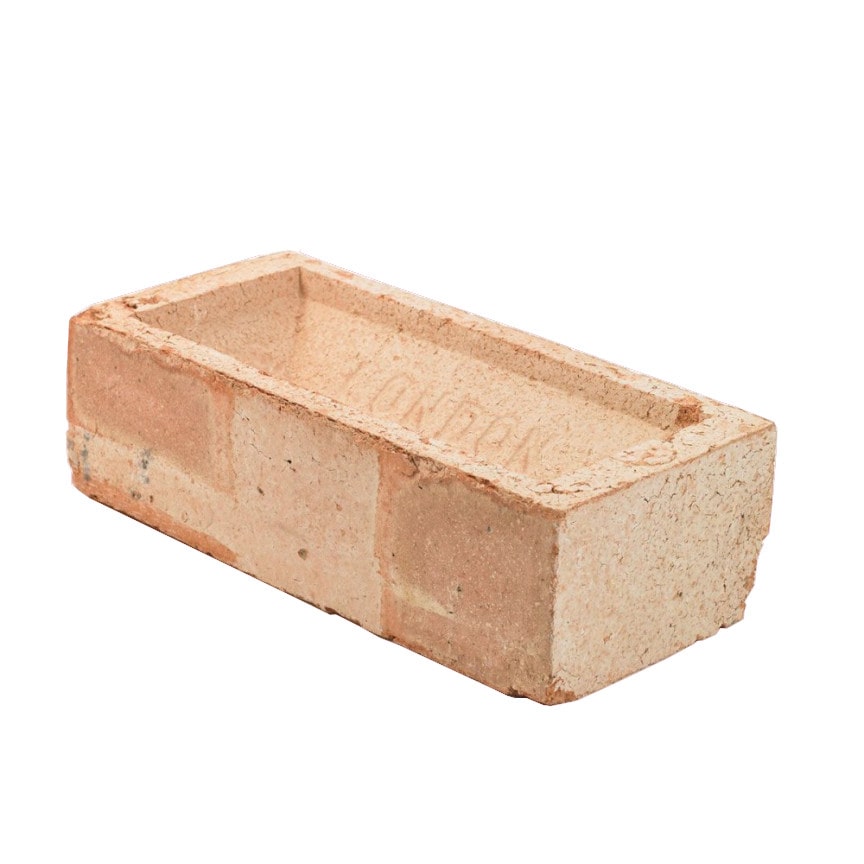
We stock dense and lightweight blocks including Topcrete, Toplite, Hemelite, and Durox, plus facing bricks, engineering bricks, and reclaimed bricks to suit a wide range of projects. Options cover multiple sizes, strengths, and finishes for both domestic and commercial builds. Whether you are laying foundations, external walls, or internal partitions, there is a product suited to every application. Many lines are available to order online and in-store across our branches in London and Hertfordshire. Speak to our team if you need help selecting the right product for your specification or structural requirements.

What is the difference between a brick and a block?

+

Bricks are smaller units, typically made from fired clay or shale, and are commonly used for both structural and aesthetic purposes in residential and commercial buildings. Blocks are larger units, usually manufactured from concrete, and are designed for faster construction of load-bearing walls, inner leaves, and commercial structures. The size difference means far fewer blocks are needed to cover the same area, which reduces both material handling and laying time on site. Bricks tend to be chosen where appearance is a priority, while blocks are specified where speed, strength, or thermal performance takes precedence. Many modern builds use both materials together, with blocks forming the inner leaf and bricks providing the external facing.

Is it cheaper to use bricks or blocks?

+

Concrete blocks are generally more cost-effective for large-scale construction projects because fewer units are required to cover the same wall area, reducing both material costs and labour time. Bricks can be the more economical choice for smaller decorative projects or where a particular aesthetic finish is required and cannot be achieved with blockwork alone. The overall cost comparison should also factor in mortar consumption, since blocks require less mortar per square metre than brickwork. For cavity wall construction, combining a block inner leaf with a brick outer skin offers a good balance of cost, performance, and visual appeal. Our team can help you work through the material costs for your specific project if you need guidance before ordering.

What is the brick and block method?

+

The brick and block method is a widely used form of cavity wall construction where concrete blocks form the inner structural leaf and facing bricks provide the outer visible layer. This approach combines the strength and thermal insulation properties of blockwork with the weather resistance and visual appeal of a brick facade. A cavity between the two leaves is typically filled with insulation to meet current building regulations for thermal performance. It is the standard construction method for the majority of new residential houses built in the UK today. Choosing the right block type for the inner leaf, such as a lightweight Toplite or Durox block, can significantly improve the overall U-value of the wall.

What are the advantages of using blocks instead of bricks?

+

Blocks are larger than bricks, which means walls can be built significantly faster and with less labour, reducing overall construction time and cost. Lightweight aerated blocks such as Toplite and Durox offer excellent thermal insulation properties, helping buildings meet energy efficiency requirements more easily. Their uniform size and consistent dimensions make laying more precise and reduce the amount of mortar needed across a wall. Many concrete blocks have good environmental credentials, with some incorporating recycled content in their manufacture. For internal partitions and inner leaf construction, blocks are the practical and cost-efficient default choice for most build types.

Is it easier to lay bricks or blocks?

+

Blocks are generally faster and easier to lay than bricks due to their larger size, meaning fewer units are needed to build the same area of wall. This reduces repetitive handling and speeds up the overall build, making blockwork particularly efficient for inner leaf and partition walls. Brickwork requires more precision and consistency, as the smaller unit size means any minor variation in joint thickness or level becomes more visible across an elevation. For an experienced tradesperson both are straightforward, but for a self-builder or less experienced labourer, blockwork tends to be more forgiving. Whichever material you are working with, preparing a level, solid base and using the correct mortar mix from the outset will make laying significantly easier.

What are the disadvantages of concrete blocks?

+

Concrete blocks are less visually appealing than facing bricks and are not suitable for use on external elevations where appearance is important without an additional finish such as render or cladding. Dense concrete blocks can perform less well acoustically than other wall build-ups, which may be a consideration for party walls or noise-sensitive environments. Some block types are more susceptible to moisture absorption if left unprotected, so correct detailing and appropriate surface treatment is important in exposed locations. Their larger size makes them less suitable for detailed or curved brickwork designs that require smaller, more flexible units. Selecting the right block specification for each application, whether dense, lightweight, or aerated, ensures these limitations are managed effectively within your build.

What is the correct way to stack and store bricks or blocks on site?

+

Bricks and blocks should be stored on a firm, level, well-drained surface to prevent them from sinking, tipping, or absorbing ground moisture before use. Stack them in a stable, interlocked pattern and keep stacks no higher than 1.5 metres to reduce the risk of collapse and maintain safe working conditions on site. Cover all stacks with a tarpaulin or polythene sheet to protect from rain, frost, and prolonged wet weather, particularly for aerated blocks which are more sensitive to moisture. Keep different product types and batch references stored separately and clearly labelled to avoid mixing on the wall and causing colour or size inconsistencies. Good site storage practice reduces waste, protects your investment, and ensures materials are in the best possible condition when they reach the bricklayer.

How long do bricks last?

+

High-quality facing and engineering bricks can last well over 100 years when properly specified, laid, and maintained, making them one of the most durable building materials available. Many Victorian and Edwardian brick buildings across London and Hertfordshire remain structurally sound today, demonstrating the long-term performance of quality brickwork. The lifespan of brickwork depends heavily on the quality of mortar joints, as deteriorating mortar allows water ingress that can accelerate weathering and frost damage to the brick face over time. Repointing joints when they begin to fail is the single most effective maintenance task for extending the life of any brick structure. Choosing the correct brick specification for your exposure zone and ensuring good drainage detailing at the design stage will protect the investment for decades to come.

Is it OK to use reclaimed or old bricks?

+

Yes, reclaimed bricks can be an excellent choice provided they are structurally sound and suitable for the intended application. They add character and patina that is difficult to replicate with new materials, and are a popular choice for extensions, garden walls, and renovation projects where matching existing brickwork is important. Before reuse, always check individual bricks for chips, soft faces, crumbling edges, or signs of spalling, as damaged bricks will not perform well and can deteriorate quickly once laid. Reclaimed bricks vary in size more than new stock, so allow extra time for sorting and expect to adjust joint thickness slightly to maintain level courses. We stock reclaimed bricks alongside our new ranges, and our team can advise on suitability for specific applications.

Read more