Facing Bricks

per page
Page

Showing 48 out of 352 Products

per page
Page

Showing 48 out of 352 Products

Facing Bricks for Modern and Traditional Homes

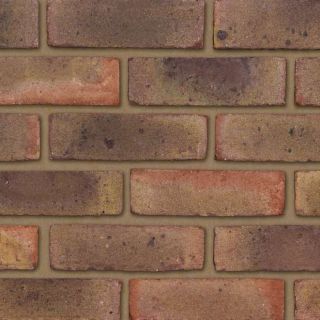
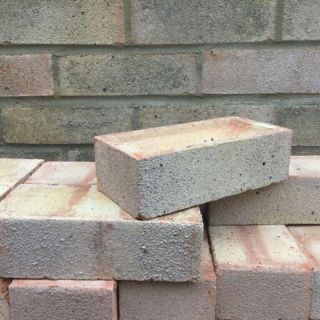
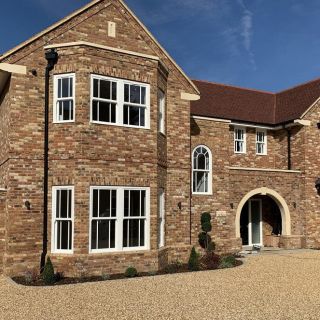
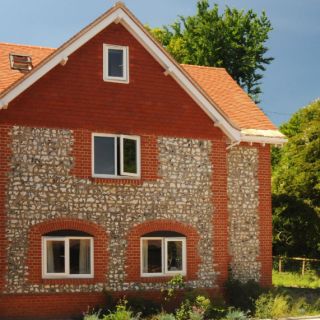
At MP Moran, we present a wide range of premium facing bricks tailored to your building aspirations. As a premier provider of construction materials, our inventory includes various types of facing bricks, perfect for enhancing the aesthetic of any structure.

Our user-friendly online platform streamlines the process of selecting and purchasing your desired bricks, facilitating direct delivery to your project's location. For extensive orders, reach out to us to ensure you secure the precise quantity and type of brick needed.

What facing bricks do we sell online?

At MP Moran, our commitment to quality and choice shines through in our selection of facing bricks available online:

  • Imperial Facing Bricks: Crafted for longevity, these bricks offer consistent strength, making them ideal for structures needing long-term durability.

  • Stock Facing Bricks: With their traditional manufacturing process, these bricks ensure uniformity in size, resulting in stable and even wall construction.

  • Multi-Facing Bricks: Durable in all weather conditions, their varied composition offers resilience against external factors, ensuring longevity.

  • Gault Blend Bricks: Known for their high compressive strength, these bricks are perfect for structures requiring added resilience against wear and tear.

Whether you're looking to replicate a traditional aesthetic or create something uniquely modern, our selection at MP Moran has got you covered.

When to use engineering bricks in your project

Engineering bricks are a staple in numerous construction tasks, including:

  • Load-Bearing Walls: Given their high compressive strength, engineering bricks are ideal for walls bearing significant loads.

  • Damp-Proof Courses: Owing to their low water absorption rate, these bricks are excellent for creating moisture-resistant barriers.

  • Foundations: Their durability and strength make them a prime choice for foundations, especially in areas with challenging soil conditions or where additional resilience is required.

  • Retaining Walls: With their high resistance to frost and chemical erosion, engineering bricks are perfect for constructing walls that come into contact with the ground – and, thus, potential contaminants.

Incorporating quality engineering bricks in your construction ensures optimal strength, longevity, and resistance to environmental stressors. 

Browse engineering bricks at one of our local MP Moran branches

While online shopping has its conveniences, there's no substitute for seeing and feeling materials firsthand, especially when it comes to construction essentials like engineering bricks. At MP Moran, we appreciate the importance of tactile selection.

By visiting your nearest branch, you can directly assess the quality, colour, and texture, ensuring they align perfectly with your project's needs.

Facing Bricks FAQs

What types of facing bricks do MP Moran sell online?

+

We stock Imperial Facing Bricks, Stock Facing Bricks, Multi-Facing Bricks, and Gault Blend Bricks to suit a wide range of residential and commercial projects. Choices cover classic and contemporary tones, varied textures, and different strengths to suit design and performance needs. All products are available for delivery or branch collection across London and Hertfordshire. For large projects, our team can help you confirm quantities, phasing, and the best brick type for your specification. Browse the full range online or visit one of our branches for hands-on advice.

What is the difference between facing bricks and engineering bricks?

+

Facing bricks are selected for appearance, covering colour, texture, and blend, making them ideal for facades and visible elevations. Engineering bricks prioritise strength and low water absorption, and are typically used below DPC, in foundations, and in high-load or wet areas. Many projects use both types: engineering bricks where performance is critical and facing bricks where aesthetics matter most. The two product types are complementary rather than interchangeable, and specifying the correct brick for each application is essential. Our team can help you combine them correctly within a single build.

Imperial vs metric facing bricks: how do I choose?

+

Imperial bricks suit heritage work or extensions where course heights must match older properties built before the UK metrication of the 1970s. Metric bricks are today's standard and simplify coordination with modern blockwork, lintels, and openings. If you are tying into existing brickwork, matching size, colour, and texture takes priority over any other consideration. Bring photos or a sample to a branch and we will suggest the closest match from our current stock. Getting this decision right at the outset avoids costly remedial work once courses begin to rise.

How do I match new facing bricks to an existing property?

+

Start with photographs taken in daylight and note the approximate age, region, and mortar colour of the original brickwork. Consider texture characteristics such as stock, wire-cut, or handmade finishes, along with the base hue and any weathering or patina that has developed over time. We can recommend close alternatives or blends from our range to reduce visible banding across elevations. For sensitive or listed building schemes, request a few sample packs to test on site before committing to a full order. A branch visit with a loose brick sample from the existing wall gives our team the best chance of finding a close match.

Are facing bricks suitable for UK exposure and frost conditions?

+

Most facing ranges in our stock include options with appropriate frost resistance and low water absorption ratings for typical UK conditions. For parapets, coastal sites, or severe exposure zones, you should select a higher durability rating and ensure your detailing is sufficiently robust. Using compatible mortar classes alongside good DPC installation and correct flashings is essential for managing moisture over the long term. Technical data sheets are available for all products and will confirm suitability for your specific exposure category. If you are unsure which rating applies to your project location, speak to our team before ordering.

How many facing bricks do I need per square metre?

+

As a general guide, standard metric brickwork laid in stretcher bond with 10 mm joints requires approximately 60 bricks per square metre, though this varies by brick size and bond pattern. Calculate your net wall area first, deduct all openings such as windows and doors, then add 5 to 10 percent for cuts and site waste. Imperial sizes, special shaped bricks, or decorative bonds such as Flemish or English bond can change the count considerably. We will sanity-check your take-off and advise on pack multiples to avoid unnecessary shortfalls mid-project. Always order from the same batch reference where possible to maintain colour consistency across the elevation.

What mortar and joint profile should I use with facing bricks?

+

Match your mortar class to the exposure and structural requirements of the project, with M4 or Type S mixes commonly specified for many external facing brick walls. Joint profiles affect both appearance and weathering performance: bucket-handle and weather-struck profiles shed water effectively, while flush joints give a smoother, more contemporary look. Keeping joint thickness consistent throughout the build is important for neat coursing and a professional finish. Always follow the brick manufacturer's guidance on mortar colour and mix to ensure visual consistency, particularly when using multi or blend bricks. If you are unsure, our branch teams can point you toward compatible bagged mortar products that work well with the facing bricks you have selected.

What are stock facing bricks and where are they best used?

+

Stock facing bricks are a traditional brick type with a characteristic rough, textured surface that is created during the manufacturing process. They are strongly associated with London and the South East, where stock bricks have been used in residential construction for centuries, and are an excellent choice for period extensions or infill work in these areas. The varied colour tones within each brick give elevations a natural, handmade character that weathers attractively over time. Stock bricks are available in a range of buff, yellow, and multi-toned finishes to suit different property styles. They perform well in standard UK exposure conditions and are a popular choice wherever a traditional aesthetic is required.

Are facing bricks suitable for internal use?

+

Yes, facing bricks are widely used internally and can create a striking finish in living spaces, kitchens, commercial interiors, and feature walls. Their texture and colour variation add warmth and character that is difficult to replicate with other materials, and exposed brick is a popular design choice in both contemporary and period properties. For internal use you do not need to prioritise frost resistance ratings, so the choice can focus entirely on appearance, colour, and finish. Standard metric or imperial facing bricks can be laid in the same bonds used externally, or cut into slips for a thinner profile where structural brickwork is not required. Ensure your mortar choice complements the brick colour, as joint colour has a significant visual impact in an interior setting where the brickwork is viewed at close range.

How do I care for and clean facing bricks?

+

Facing bricks are generally low maintenance, but occasional cleaning helps preserve their appearance and prevent the build-up of algae, moss, or efflorescence over time. For routine cleaning, a stiff brush and clean water is often sufficient to remove surface dirt without risk of damaging the brick face or mortar joints. Efflorescence, the white salt deposits that can appear on new brickwork, is a natural occurrence and usually weathers away on its own, though it can be brushed off gently once the wall has fully dried out. Avoid using high-pressure washing on softer or textured brick types, as this can erode the surface and damage mortar joints. For more stubborn staining such as algae growth or pollution deposits, purpose-made brick cleaning products are available, and it is always advisable to test any chemical cleaner on a small inconspicuous area first.

Read more